

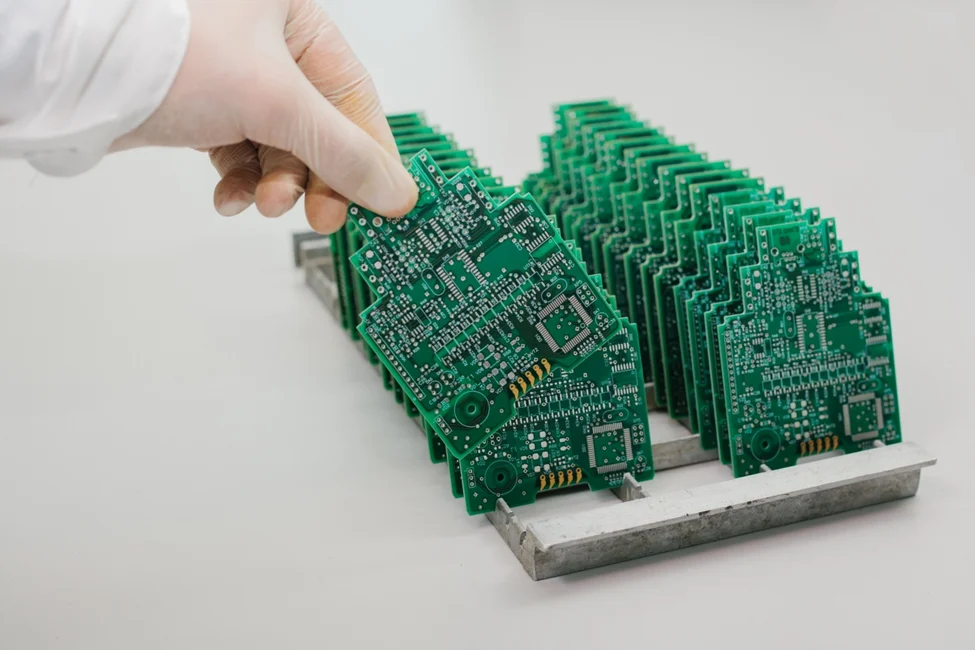
The electronics industry doesn’t rest. Hardware companies depend on electronic contract manufacturing, as they need to get their designs into consumers’ hands. In the last few years these manufacturing partners have progressed from being basic assembly plants to becoming complex designers, testers and supply chain managers.
All this is now changing in a huge way in the whole sector. The global shipping disruptions, a shortage of semiconductors, and the rising demand for sustainable practices have compelled manufacturers to reconsider how they are doing business. Today, leaders in the space are getting away from the traditional models and adopting new technology to compete in the market.
Having a grasp on the future of e-Contract Manufacturing is essential to any hardware building company. Keeping an eye on the future trends and advancements in technologies, companies can select their appropriate partners and ensure their manufacturing lines are working properly.
The top trends driving electronic contracting manufacturing
The coming 10 years will be very different from the last 10 years in electronics production. There are a number of key drivers that are propelling this transformation towards smarter, green and resilient facilities.
The Transition Towards Smart Factories
It is a concept that is not new to the assembly line, automation. The future, however, is in smart factories, only possible with the Internet of Things and Artificial Intelligence.
Nowadays, the machines are equipped with high-tech sensors and gather information throughout the manufacturing process. The constant flow of information enables facility managers to track machine health as it happens. AI algorithms forecast maintenance requirements before they become a problem, rather than waiting for a critical piece of equipment to fail. This predictive maintenance can significantly cut down on downtime while ensuring production timelines are adhered to.
AI is also a significant factor in quality control. The automated optical inspection system with machine learning can detect the defects on the printed circuit board at the microscopic level much faster and more accurately than the human operator. This results in increased yield, reduced recalls and improved end product for consumers.
The Global Supply Chain (GSC) is being redesigned
Today, the world has witnessed the vulnerability of long and complicated supply chains. If one port can be closed or the raw materials needed for production are unavailable, companies need to be able to work in a safer way or else production could be stopped.
The trend towards decentralizing operations is being embraced by electronic contract manufacturers. Many are taking advantage of the opportunity of nearshoring – relocating production closer to the final consumer market. If it is a North American tech company, then it could work with a manufacturer in Mexico instead of just using one factory that is located overseas. This tactic helps in minimizing shipping timings and freight costs.
Further, manufacturers are developing advanced software for the supply chain mapping systems. These digital tools monitor raw materials from the moment they’re mined until the second they reach the assembly plant. By having full visibility, manufacturers can rapidly switch suppliers in the event of a problem with one, ensuring a continuous flow of the required components.
Being proactive about Sustainable Production
Environmental responsibility is no longer a marketing ploy but a mandate. Consumers are pushing for a greener product and governments are implementing more stringent laws on e-waste and hazardous material.
Manufacturers are responding by overhauling their processes to reduce their carbon footprint. The facilities are installing solar panels, optimizing the use of energy in the factory and recycling water used in the manufacturing process.
Materially, the trend is towards removing lead from soldering, biodegradable plastics and packaging that is readily recyclable. Electronic contract manufacturers are also assisting hardware firms in designing a product that has a circular life cycle. This involves designing devices that are simple to dismantle, fix and recycle at the end of their useful life, to prevent toxic e-waste from ending up in landfills.
Advancements in Miniaturization
Consumers continually demand smaller, faster, more powerful devices. The need for miniaturization creates an incredible challenge for electronic contract manufacturers in terms of building ever smaller components.
Printed circuit boards need to be integrated in extremely small spaces in medical devices, wearable technology and for aerospace applications. To attain this, manufacturers are investing in special equipment that can process micro-scale components with utmost accuracy. HDI technology enables engineers to fit more functionality on a single board, by creating microscopic laser-drilled holes within the board to connect the various layers of the circuit.
As parts become smaller, the “tolerance” becomes smaller as well. All facilities need to have ultra-clean rooms and employ new placement arms that are robotic and capable of placing tiny microchips with sub-millimeter accuracy.
Conclusion
The future of electronic contract manufacturing is digital, very accurate and interconnected. If they don’t adapt, then the facilities are likely to find it difficult to keep pace with the demands made by vendors of modern hardware.
The choice of manufacturing partner is more important than ever for companies wishing to launch a new product. A trusted partner like Optima Technology that appreciates the value of supply chain visibility, the importance of smart factory technology, and sustainable manufacturing practices.
Assess existing production practices. Inquire from your manufacturing partners what their plans are for using AI and their supply chain resilience. Partnering your company with progressive manufacturers can provide you the ability to deliver your products to your customers in a timely, reliable, and high-quality manner.

